


For homeowners and businesses alike, heating, ventilation, and air conditioning (HVAC) systems play a critical role in maintaining comfort. However, HVAC systems are complex and prone to various issues over time. Understanding the most common HVAC problems can help you address minor issues early and know when it’s time to call a professional contractor.
Uneven temperature distribution is one of the most frequent complaints from HVAC system users.
– Dirty or clogged air filters: Blocked airflow can result in some rooms receiving less conditioned air than others.
– Improper ductwork design: Poorly designed duct systems may not evenly distribute air throughout your space.
– Imbalanced dampers: If dampers within your ducts are not adjusted correctly, airflow to certain areas can be restricted.
How to Address It:
– Replace or clean air filters regularly—every 1-3 months for residential systems and more frequently for high-usage commercial units.
– Have a professional evaluate your duct system for leaks or design flaws. – Adjust dampers strategically to improve balance in airflow across all rooms.
– Obstructed vents: Furniture placement or accumulated debris can block vents, restricting airflow.
Blower motor issues: A malfunctioning blower motor may be unable to circulate enough air through your home or office.
Leaky ducts: Leaks allow conditioned air to escape before reaching its intended destination.
Solutions:
| Cause | Solution |
|——————-|———————————————|
| Obstructed Vents | Ensure vents remain unblocked by furniture.
| Blower Motor | Contact an HVAC professional for repairs.
| Leaky Ducts | Seal leaks with professional-grade materials.
HVAC systems that turn on and off frequently waste energy and fail to maintain consistent temperatures effectively.
Potential Causes of Short Cycling Include:
– Thermostat location near heat sources causing misreadings – Oversized units that cool/heat too quickly
Expert Tips for Air Conditioning Repair Miami: Solving Uneven Heating or Cooling Issues
Uneven heating or cooling is a common issue many homeowners face with their HVAC systems. This problem can lead to discomfort, higher energy bills, and unnecessary wear on your heating and cooling equipment. Fortunately, understanding the possible causes of uneven temperature distribution and addressing them can help improve your home’s comfort and energy efficiency. Below are some of the key factors that contribute to this issue and effective solutions.
Common Causes of Uneven Heating or Cooling
- Furniture, rugs, or other items blocking vents can restrict airflow to specific areas of your home.
- Manually closed vents in certain rooms can also impact the overall balance of temperature distribution.
- Duct leaks cause conditioned air to escape into uninsulated spaces like attics or crawl spaces, reducing the amount reaching your rooms.
- Poorly sealed ducts can lead to significant temperature imbalances throughout your home.
- An oversized system tends to short-cycle, failing to evenly condition all areas before shutting off.
- An undersized system may struggle to reach all parts of the house effectively.
- Inadequate insulation in walls, ceilings, doors, or windows can allow heat transfer that disrupts indoor climate control.
- Rooms farthest from the HVAC unit may lose more heat during winter or gain more heat during summer.
- Thermostats installed near heat sources (like a sunny window) or drafts may misread temperatures and fail to regulate correctly.
Effective Solutions for Uneven Temperature Distribution
- Inspect and Adjust Vents: Ensure that all supply and return vents are fully open and unobstructed by furniture, drapes, or other items.
- Seal Leaky Ducts: Use mastic sealant or metal tape (not duct tape) on visible duct leaks for an immediate fix, but consider hiring an HVAC contractor for a thorough inspection.
- Invest in Zoning Systems: Installing a zoning system allows you to control the temperature independently in different areas using multiple thermostats.
- Upgrade Insulation: Add insulation where needed—paying special attention to attics, basements, exterior walls, doors, and windows—to minimize heat loss or gain.
- Relocate Thermostats if Necessary: Work with an HVAC professional to move thermostats away from direct sunlight or draft-prone areas for accurate temperature readings.
- Introduce Ceiling Fans: Ceiling fans help distribute air more effectively by circulating it within rooms that tend to stay warmer or cooler than others.
Table: Quick Troubleshooting Checklist
| Problem | Quick Fix | Professional Assistance Needed? |
| Blocked/Closed Vents | Open vents; clear obstructions | No |
| Leaky Ductwork | Seal visible leaks | Yes |
| Improper Sizing | N/A | Yes (system replacement) |
| Poor Insulation | Add weather stripping; seal gaps | Possibly |
| Thermostat Misplacement | Adjust placement | Yes |
Addressing uneven heating and cooling requires identifying the root cause of the problem through careful observation and professional analysis when necessary. Regular maintenance by an experienced HVAC contractor is key to ensuring consistent performance across your system while preventing costly repairs down the line.
How to Identify and Resolve Insufficient Airflow with AC Repair Miami Services
Insufficient airflow is a common problem in HVAC systems that can lead to discomfort, energy inefficiency, and even more significant system issues if left unaddressed. Identifying the root causes and resolving them promptly is essential for maintaining an efficient and reliable system. Below, we explore the common causes of insufficient airflow and provide practical solutions.
Common Causes of Insufficient Airflow
- Over time, air filters can become clogged with dust, dirt, or debris. This restricts airflow, making it harder for your system to circulate air effectively.
- Solution:Check your air filters every 1-3 months and replace them as needed. Opt for high-quality filters that match your HVAC system’s specifications.
- Blockages caused by debris or damage within ductwork can disrupt airflow. Leaks in ducts may also cause conditioned air to escape before it reaches its destination.
- Solution: Inspect ductwork for obstructions or leaks. Sealing leaks with foil tape or mastic sealant can help restore proper airflow.
- The blower fan is responsible for pushing air through the system. If it’s dirty, damaged, or not functioning correctly, airflow will be compromised.
- Solution: Clean the fan blades regularly and ensure the motor is operational. If necessary, consult a professional HVAC contractor for repairs.
- Furniture placement or intentionally closing off vents in unused rooms can restrict airflow throughout your home.
- Solution: Keep all vents open and ensure they are not obstructed by furniture or other items.
- An improperly sized HVAC system may struggle to deliver adequate heating or cooling due to its inability to meet your space’s demands.
- Solution: Schedule a load calculation with an HVAC professional to determine if your current system is appropriate for your home’s size.
- Dirty evaporator coils reduce heat transfer efficiency, which impacts overall performance and reduces airflow.
- Solution: Have coils cleaned annually during routine maintenance by a certified technician.
- Schedule Regular Maintenance: Annual inspections by an experienced HVAC contractor can identify potential issues before they escalate into major problems.
- Use Zoning Systems (if applicable):Zoning enables you to control airflow in different parts of your home effectively.
- Invest in Smart Thermostats: These devices optimize energy use while maintaining consistent comfort levels by adjusting settings based on real-time conditions.
- Inspect Insulation Levels: Poor insulation can overburden your unit as it works harder to maintain temperature consistency within the home.
Comparison Table: DIY Fixes vs Professional Services
| Issue | DIY Solution | When to Call a Professional |
| Clogged Filters | Replace filters regularly | Only if unsure about filter type |
| Blocked Ducts | Clear accessible blockages | Persistent blockages/leaks |
| Malfunctioning Blower Fan | Clean blades | Fan motor replacement |
| Dirty Coils | Not recommended | Cleaning during annual maintenance |
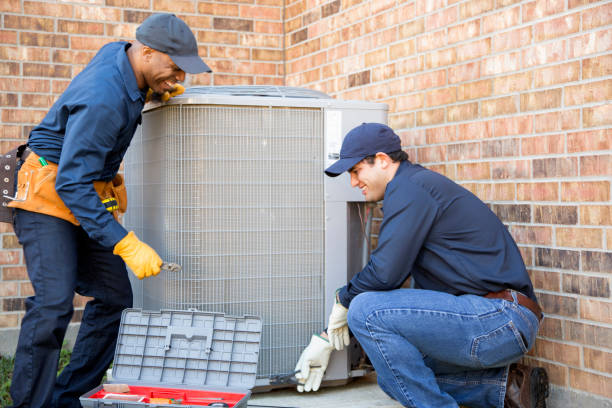
Addressing insufficient airflow involves both preventive measures and timely fixes when problems arise. While some tasks are manageable on your own—such as replacing filters—others require professional assistance from licensed HVAC contractors who have the expertise needed for thorough diagnostics and repairs tailored to your specific needs.
A malfunctioning HVAC system that refuses to turn on can be a frustrating and uncomfortable situation, especially during extreme weather conditions. There are several common reasons why this problem might occur. Understanding these issues and how an HVAC contractor can assist is essential to restoring comfort to your home.
- The circuit breaker could trip due to a power surge or overloaded electrical system.
- If the thermostat is not set properly or has lost calibration, it may fail to communicate with your HVAC unit.
- Ensure the thermostat is set to the correct mode (heating or cooling) and temperature. Replace dead batteries if applicable.
- These issues typically require diagnosis and repair by an experienced technician.
- Regular filter replacement can help prevent this issue.
- This is a serious issue that should only be handled by a licensed technician for safety reasons.
- Modern HVAC systems have built-in safety switches that deactivate the unit when certain components, like blower doors, are not properly secured.
How an HVAC Contractor Can Help
Hiring a qualified HVAC contractor ensures that troubleshooting and repairs are performed safely and efficiently.
- Comprehensive Diagnosis: Contractors use specialized tools and techniques to identify problems accurately without causing further damage.
- Electrical Repairs: Handling electrical components like wiring, capacitors, and fuses requires expertise to avoid hazards such as electrocution or fire.
- Thermostat Calibration or Replacement: Professionals ensure your thermostat is functioning correctly by recalibrating it or installing a newer model with advanced features.
- Routine Maintenance Services: Contractors often recommend preventive maintenance plans that include cleaning coils, checking refrigerant levels, inspecting filters, and tightening connections.
- Part Replacement Expertise: An expert technician has access to high-quality replacement parts for critical components like motors, contactors, and compressors.
Preventive Tips for Homeowners
- Replace air filters every 1–3 months depending on usage levels and indoor air quality conditions.
- Schedule annual professional maintenance before peak heating or cooling seasons.
- Regularly inspect visible wiring connections for signs of wear (though leave repairs to professionals).
- Keep vents unobstructed by furniture or debris for optimal airflow throughout your home.
When faced with an unresponsive HVAC system, addressing basic troubleshooting steps is key but working with a licensed contractor ensures any complex issues are resolved effectively while maintaining safety standards within your home environment.
How to Address Frequent Cycling in an HVAC System with Expert AC Replacement Miami Services
This problem occurs when your heating or cooling system turns on and off repeatedly in short intervals, failing to complete a full cycle. Not only does this lead to discomfort, but it can also increase wear and tear on your unit. Below, we’ll explore the possible causes of frequent cycling and provide actionable solutions to address them.
Common Causes of Frequent Cycling
- Dirty Air Filter
This can cause the unit to overheat or work harder than necessary, leading to frequent cycles. - Incorrect thermostat placement (e. g. , near a heat source or cold draft) can lead to inaccurate temperature readings and short cycling.
- Faulty thermostat settings, such as incorrect temperature calibration or wiring issues, may also trigger frequent starts and stops.
- Oversized HVAC Unit
An improperly sized HVAC system can cool or heat your home too quickly, resulting in shorter cycles that do not evenly condition the space. - Refrigerant Levels
Low refrigerant levels in air conditioning units or heat pumps can cause the compressor to turn on and off frequently. - Electrical Problems
Loose electrical connections or damaged components like capacitors can disrupt consistent operation, triggering rapid cycling. - Blocked Vents or Registers
Obstructions in air vents block airflow into the home, which puts unnecessary strain on the system and causes short cycling.
Effective Solutions for Frequent Cycling
- Clean or Replace Air Filters: Regularly inspect the air filter every 1–3 months and replace it if it appears dirty. A clean filter ensures proper airflow throughout your system.
- Ensure your thermostat is located away from direct sunlight, drafts, appliances generating heat, or vents.
- If necessary, consult an HVAC contractor for professional recalibration or repair of wiring issues.
- Check System Sizing: If you’ve recently installed an HVAC unit that seems oversized for your home’s needs, consult a professional contractor about potential solutions such as zoning systems or replacing with a properly sized unit.
- Address Refrigerant Levels: Have an experienced technician inspect refrigerant levels regularly; low refrigerant may indicate leaks requiring immediate repair.
- Vent Maintenance: Keep vents clear of furniture, rugs, debris, or other obstructions that might impede airflow through the ducts.
- Schedule Electrical Inspections: Ask an experienced contractor to assess electrical connections within your HVAC unit periodically—this helps identify loose connections early before they develop into serious operational faults.
When to Call a Professional Contractor
| Issue | Requires Professional Assistance? |
| Thermostat calibration | Yes |
| Low refrigerant/refrigerant leak | Yes |
| Electrical component repairs | Yes |
| Oversized equipment adjustment | Yes |
Attempting complex repairs without technical expertise could worsen existing problems or void warranties on equipment components.
Hiring a certified HVAC contractor ensures that underlying problems are diagnosed accurately and fixed promptly using industry-approved methods while maintaining safety compliance standards at all times.
The Importance of Hiring a Professional HVAC Contractor for AC Replacement Services
Replacing an air conditioning (AC) system is a significant investment for any homeowner or business. While it may be tempting to cut costs by attempting a DIY installation or hiring the cheapest available technician, this approach can lead to costly mistakes and safety hazards. Hiring a professional HVAC contractor ensures the job is done correctly, efficiently, and safely. Below are some key reasons why working with a qualified contractor is essential for AC replacement services.
Expertise and Proper Installation
Professional HVAC contractors undergo rigorous training and certification processes to ensure they are knowledgeable about various AC systems, including their installation and maintenance requirements.
- Reduced system efficiency
- Premature wear and tear
- Higher energy bills
- Voided manufacturer warranties
A licensed contractor will follow industry best practices to ensure your new unit operates at peak performance while adhering to warranty guidelines.
Accurate System Sizing
Selecting the right size AC unit is crucial for maintaining comfort and energy efficiency.
- The size of your home or building
- Insulation levels
- Number and type of windows
- Local climate conditions
Installing an oversized or undersized unit can lead to inconsistent cooling, increased energy consumption, or frequent cycling. Contractors use advanced tools and software to determine the appropriate unit size for your property.
Access to Quality Equipment
Professional HVAC contractors often have access to high-quality equipment and parts that may not be available through retail channels. They work with trusted manufacturers to source durable, energy-efficient systems that meet your specific needs.
Additionally, they stay updated on the latest advancements in HVAC technology, such as smart thermostats or high-SEER (Seasonal Energy Efficiency Ratio) models, which can provide long-term savings on utility bills.
Safety Measures
AC replacement involves handling electrical components, refrigerant chemicals, and heavy equipment. Without proper training, these tasks can pose serious risks such as electrical shocks, refrigerant leaks, or structural damage during installation. Certified HVAC contractors are trained in safety protocols and comply with local building codes to protect you and your property.
Warranty Protection
Many AC manufacturers require that their products be installed by licensed professionals in order for warranties to remain valid. If you attempt a DIY installation or hire an unqualified technician, you could inadvertently void your warranty coverage. A professional contractor ensures all manufacturer guidelines are met so that you retain access to warranty benefits.
Long-Term Cost Savings
- Improved system efficiency
- Fewer repair needs over time
- Extended lifespan of your new AC unit
Contractors also provide maintenance recommendations tailored specifically for your system, helping you avoid unnecessary expenses down the road.
Table: Key Benefits of Hiring an HVAC Contractor vs DIY Installation
| Aspect | Professional Contractor | DIY Installation |
| Proper Sizing | Accurate load calculations | Risk of improper sizing |
| Warranty Protection | Maintains manufacturer’s warranty | May void warranty |
| Safety | Follows strict safety standards | Higher risk of accidents |
| Efficiency | Ensures optimal performance | Potential inefficiencies |
| Long-Term Costs | Reduces repair/energy expenses | Higher likelihood of issues |
Professional Support During Permits & Inspection
In many areas, replacing an AC system requires permits from local authorities as well as inspections after installation. Professional contractors handle these logistics on your behalf by ensuring compliance with regulations throughout the process—a step often overlooked during DIY projects.
Hiring a skilled HVAC contractor not only ensures optimal performance but also provides peace of mind knowing the job is done right from start to finish. Proper AC replacement lays the foundation for years of reliable cooling comfort while reducing overall energy costs effectively.
- Key Indicators Every Homeowner Should Know for Air Conditioning Repair Miami
- Top Signs You Need Air Conditioning Repair Miami Experts
- The Importance of Timely Air Conditioning Repair Miami for Your Home’s Comfort and Efficiency
- Identifying the Most Common Miami HVAC Problems and Their Solutions
- Essential Tips for Air Conditioning Repair Miami: Recognizing When Your HVAC System Needs Replacement in 2025
- Enhance Comfort and Efficiency with a High Efficiency Miami HVAC System
- Finding the Best Miami HVAC Contractor to Meet Your Specific Needs