

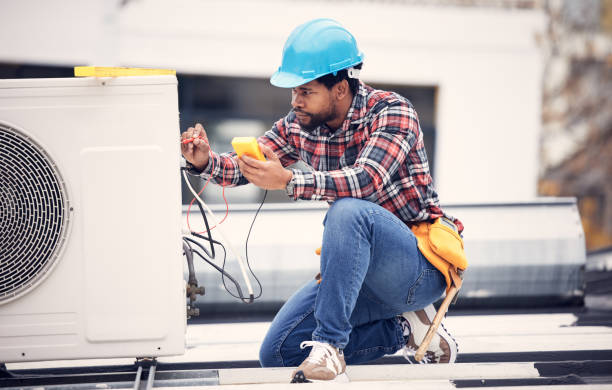
Timely replacement of your HVAC system is a crucial factor in maintaining a comfortable and energy-efficient home. As HVAC systems age, they naturally lose efficiency, leading to higher energy bills and potential discomfort in your living spaces. Understanding the importance of replacing an outdated or failing HVAC system can help you avoid unnecessary costs and provide a healthier environment for your household.
Improved Energy Efficiency
- Variable-speed compressors that adjust power use based on your needs
- Smart thermostats for precise temperature control
- High Seasonal Energy Efficiency Ratio (SEER) ratings for reduced energy consumption
Energy-efficient HVAC systems not only lower monthly utility bills but also reduce the environmental impact of your heating and cooling practices.
Enhanced Comfort Levels
- Hot or cold spots in specific rooms
- Inconsistent airflow throughout the house
- Difficulty maintaining desired temperatures during extreme weather conditions
Newer models come equipped with features like advanced filtration systems and zoned heating/cooling, enabling customized comfort for different areas of your home.
Reduced Repair Costs
- The inconvenience of repeated service calls
- High labor costs associated with emergency repairs
- Unexpected breakdowns during extreme weather conditions
Better Indoor Air Quality
Old HVAC systems may become breeding grounds for dust, allergens, mold, and bacteria due to worn-out filters or ductwork issues. Replacing them ensures cleaner air circulation in your home, thanks to modern filtration technologies like HEPA filters or UV light purification systems.
| Reason | Impact | Solution |
| Aging equipment | Higher energy bills | Replace with energy-efficient model |
| Inconsistent temperature | Discomfort in rooms | Install newer units with updated features |
| Frequent repairs | Increased maintenance costs | Opt for complete replacement |
Increased Property Value
Investing in a new HVAC system enhances the market value of your property by offering potential buyers an efficient and reliable solution for their heating and cooling needs.
By replacing an aging HVAC system promptly, homeowners ensure comfort while minimizing long-term expenses tied to inefficiency and maintenance challenges.
Key Signs That Indicate You Need AC Repair Miami Services or System Replacement
An HVAC system plays a vital role in maintaining your home’s comfort and energy efficiency. However, like any mechanical system, it can develop issues over time. Recognizing the signs that your HVAC system needs replacement or repair is essential to prevent escalating problems, higher costs, and discomfort. Below are some of the key indicators to look out for, categorized for easy reference.
1. Inconsistent Indoor Temperatures
Uneven heating or cooling across different rooms could signal issues with your HVAC system. This might indicate:
– An aging or failing unit struggling to distribute air evenly.
– Problems with ductwork such as leaks or blockages.
– A malfunctioning thermostat that isn’t communicating effectively with the system.
2. Rising Energy Bills
If you’ve noticed a significant increase in your energy bills without any change in usage patterns, your HVAC system might be operating inefficiently. Reasons could include:
– Worn-out components requiring more energy to function.
– Poor airflow due to clogged filters or failing motors.
– An outdated unit with lower energy efficiency compared to modern models.
| Symptom | Possible Causes | Solution |
| Higher monthly energy bills | Aging components | Consider replacing the unit |
| Uneven temperature distribution | Blocked ducts | Professional inspection needed |
3. Frequent Repairs and Breakdowns
HVAC systems nearing their end of life often require frequent repairs, which can quickly add up in cost:
– If you’ve had multiple service calls within a year, it may be more cost-effective to replace the unit entirely.
– Components like compressors or heat exchangers are particularly expensive to repair and may justify a full replacement if they fail.
4. Strange Noises or Smells from the System
Unusual sounds such as banging, rattling, grinding, or squealing often indicate mechanical issues:
– Loose parts or a failing motor might create these noises during operation.
Unpleasant odors can also signal trouble:
– Musty smells may point to mold growth in the ducts or system itself due to poor ventilation.
– Burning smells might suggest electrical malfunctions that require immediate attention.
5. Age of Your HVAC System
Most HVAC systems have an average lifespan of 10–15 years depending on usage and maintenance habits:
– If your unit is older than this range, you should begin planning for its replacement even if it appears functional currently.
– Newer systems offer advanced energy-saving features that can offset initial costs through reduced utility bills over time.
6. Poor Air Quality Inside Your Home
A declining HVAC system can harm indoor air quality by failing to filter pollutants effectively:
– Dust buildup around vents could indicate that filters need replacement more frequently than usual.
– Increased allergy symptoms among household members suggest inefficiency in removing allergens from circulating air.
When Should You Act?
Ignoring these signs could lead not only to discomfort but also higher expenses down the road due to emergency repairs or damage caused by prolonged neglect.
By recognizing these warning signs early on—whether it’s uneven airflow, rising bills, unusual noises/smells—you’ll be better equipped to decide whether repairs suffice or replacement is necessary for long-term performance and reliability in your home heating and cooling needs.
Key Signs That Indicate You Need an HVAC Company Miami, FL for System Replacement or Repair
Recognizing when your HVAC system requires attention is critical for maintaining your home’s comfort, safety, and energy efficiency. While some issues can be resolved with simple repairs, others may signal the need for a system replacement. Below are key signs to watch for that may indicate it’s time to repair or replace your HVAC system.
1. Uneven Heating or Cooling
- Some rooms in your home may feel significantly warmer or cooler than others.
- Persistent temperature inconsistencies often indicate issues with ductwork, thermostat calibration, or the overall efficiency of the HVAC system.
2. Frequent Breakdowns
- If you’ve had to call for repairs multiple times within a single year, it might be more cost-effective to consider a full replacement.
- Frequent repairs can point to underlying problems such as outdated components or wear and tear due to age.
3. Rising Energy Bills
- An unexpected increase in energy costs could mean your HVAC system is working harder than necessary due to reduced efficiency.
- Older units often struggle to meet modern energy standards, leading to inflated utility bills.
| System Age | Efficiency Level | Recommendation |
| Less than 10 years | High-efficiency model | Likely requires minor repair only |
| 10–15 years | Moderate efficiency | May require upgrades or components |
| Over 15 years | Likely low-efficiency | Consider replacing the entire unit |
4. Strange Noises and Odors
- Unusual sounds like banging, grinding, or squealing often indicate mechanical issues such as failing motors or loose components.
- Foul odors could stem from mold growth within the system or burnt-out parts, both of which necessitate immediate attention.
5. Poor Indoor Air Quality
- Excessive dust accumulation and increased humidity levels are common signs of an underperforming HVAC unit.
- A failing system can also reduce air filtration effectiveness, potentially contributing to allergies and respiratory issues for household members.
6. Age of the System
- Most HVAC systems have a lifespan of about 10–15 years with proper maintenance.
- Beyond this timeframe, even well-maintained systems may struggle to operate efficiently and meet modern standards.
Repair vs. Replacement: What Should You Do?
When Repairs May Be Enough:
– The system is relatively new (under ten years old).
– The issue at hand is isolated (e.g., a faulty thermostat or small refrigerant leaks).
When Replacement Makes Sense:
1. Your unit frequently breaks down despite repairs.
2. The cost of repairs exceeds half the price of a new system (the “50% rule”).
3. Your current unit fails to meet energy-efficient standards (look for ENERGY STAR-rated replacements).
By staying proactive about recognizing these key warning signs early on, you can avoid sudden breakdowns while ensuring your home remains comfortable and efficient year-round.
Avoid the Risks of Postponing an AC Replacement Miami Homeowners Need
Neglecting to address HVAC system issues in a timely manner can lead to a range of serious problems. While it may be tempting to delay repairs or replacements due to cost or time constraints, the long-term consequences often outweigh the initial savings. Below are some of the critical dangers associated with putting off necessary HVAC maintenance.
Increased Energy Bills
One of the first signs of an aging or faulty HVAC system is decreased energy efficiency. A malfunctioning system has to work harder to maintain your desired temperature, consuming more energy in the process. This can result in significantly higher utility bills over time. For example: – A clogged air filter can restrict airflow, forcing your HVAC system to overexert itself. – Leaks in ductwork can cause heated or cooled air to escape, leading to inefficiency. – Older systems with outdated components may not meet modern efficiency standards.
Poor Indoor Air Quality
Delaying repairs or replacements can directly impact indoor air quality, which affects your family’s health and comfort. Common issues include:
– Accumulation of dust and allergens due to dirty filters and ducts.
– Increased humidity levels from improper cooling cycles, which can promote mold growth.
– Circulation of unpleasant odors caused by microbial buildup within the system.
Frequent Breakdowns
A neglected HVAC system is far more likely to experience frequent and costly breakdowns. Small, unresolved issues such as wear and tear on components can escalate into major failures that require expensive emergency repairs. Preventative maintenance and timely replacements reduce this risk significantly.
Safety Hazards
Certain malfunctions in HVAC systems pose safety risks for homeowners:
1. Carbon Monoxide Leaks: Cracks in heat exchangers could result in carbon monoxide leaks, a potentially life-threatening hazard.
2. Electrical Issues: Faulty wiring or worn-out components increase the chance of electrical fires.
3. Refrigerant Leaks: Old systems using refrigerants like R-22 (Freon) may develop leaks that are hazardous both environmentally and health-wise.

Decreased System Lifespan
Postponing necessary maintenance can shorten the lifespan of your HVAC equipment by several years. Overworking a struggling system leads to accelerated wear on its parts, meaning you’ll need a full replacement sooner than expected.
| Issue | Potential Impact |
| Energy inefficiency | Higher utility bills |
| Poor air quality | Health concerns (allergies, asthma) |
| Frequent breakdowns | Increased repair costs |
| Safety hazards | Risk of carbon monoxide poisoning or fire |
| Reduced lifespan | Premature need for replacement |
Financial Consequences
While delaying necessary repairs might seem like a way to save money initially, these delays often lead to far greater expenses down the road:
– Minor problems that go unchecked often progress into major (and more expensive) issues.
– Emergency services typically cost more than scheduled maintenance.
– Long-term inefficiencies contribute significantly to cumulative energy costs.
By addressing needed repairs promptly and considering replacement when appropriate, homeowners avoid unnecessary financial strain while ensuring safety and comfort within their living spaces.
Top Reasons to Hire Miami HVAC Experts for Repairs and Installations
When it comes to maintaining, repairing, or installing an HVAC system, partnering with a professional contractor offers numerous benefits. While it may be tempting to cut costs by hiring amateurs or attempting DIY solutions, these approaches often lead to inefficiencies, costly repairs, and even safety risks. Below are the key advantages of hiring professional HVAC contractors for your home’s heating and cooling needs.
Expertise and Knowledge
- Proper installation techniques
- Diagnosing complex system issues
- Energy efficiency optimization
- Adherence to safety standards and building codes
This level of expertise ensures your system operates at peak performance while minimizing risks such as electrical hazards or inefficient energy use.
Access to Advanced Tools and Technology
- Identify hidden issues that may not be apparent during visual inspections
- Accurately size HVAC systems based on your home’s needs
- Perform precision installation that maximizes long-term efficiency
In contrast, unlicensed technicians often lack the proper tools and may rely on outdated methods that compromise quality.
Long-term Cost Savings
- Reduced energy bills: Efficient installations lower monthly utility expenses.
- Fewer repairs: Professionals conduct thorough work that lessens system wear.
- Extended lifespan: Proper care prolongs the life of your HVAC unit.
By investing in quality service once, homeowners avoid recurring expenses caused by poor workmanship.
Warranty Protection
Most HVAC manufacturers offer warranties on their systems but require professional installation or maintenance for eligibility. Choosing a licensed technician ensures your warranty remains valid. Additionally, many professionals provide their own labor warranties for added peace of mind.
| Service Type | Potential Warranty Coverage |
| System Installation | Manufacturer + Contractor Warranty |
| Annual Maintenance | Extends Manufacturer Warranty |
| Emergency Repairs | Contractor-Specific Labor Warranty |
Hiring a professional contractor protects you from unexpected repair costs if issues arise within the warranty period.
Compliance with Regulations
HVAC systems must comply with local building codes as well as environmental regulations governing refrigerants and emissions. Licensed contractors are familiar with these requirements and ensure every project meets legal standards. This reduces liability for homeowners while promoting eco-friendly practices.
Enhanced Safety
- Carbon monoxide leaks
- Electrical fires
- Unsafe refrigerant handling
Their expertise ensures both you and your household remain safe during repairs or installations.
Partnering with a licensed HVAC contractor is an investment in the comfort, efficiency, and safety of your home. These professionals bring unparalleled knowledge, experience, and accountability that result in high-quality service tailored to your needs. By relying on their expertise rather than taking shortcuts with unqualified workers or DIY efforts, you’ll enjoy lasting benefits that far outweigh the initial cost.
The Risks of Hiring Unlicensed HVAC Technicians for Your System Needs
When it comes to maintaining, repairing, or installing your HVAC system, choosing the right professional is critical to ensure safety, efficiency, and long-term functionality. While hiring an unlicensed HVAC technician might seem like a cost-saving option upfront, it can lead to a wide range of issues that ultimately cost you more in the long run. Below, we’ll explore some of the key risks associated with hiring unlicensed HVAC technicians.
1. Lack of Proper Training and Expertise
Licensed HVAC contractors undergo rigorous training and certification processes to ensure they comply with industry standards. Unlicensed technicians often lack this formal education, which can result in:
– Improper installation or repair: Incorrectly installed systems may cause frequent breakdowns or inefficient performance.
– Safety hazards: Mishandling refrigerants or electrical components can create significant risks for fire hazards or harmful leaks.
2. No Accountability for Poor Workmanship
Hiring an unlicensed technician often means there is minimal accountability if something goes wrong. Licensed contractors are bound by regulatory authorities and typically offer guarantees on their work. Risks associated with unlicensed work include:
– No warranties on services performed or equipment used.
– Difficulties in obtaining compensation if poor workmanship leads to damages.
| Licensed Contractors | Unlicensed Technicians |
| Have insurance coverage | Often do not carry insurance |
| Offer warranties | No guarantee on services |
| Bound by regulations | Limited legal recourse |
3. Legal and Financial Repercussions
Using an unlicensed HVAC technician can expose you to legal and financial consequences, such as:
– Violation of local codes: Many municipalities require licensed professionals for any major HVAC work; using an unlicensed technician could result in code violations and fines.
– Voided manufacturer warranties: If your system is repaired or installed by an unqualified individual, manufacturers may void warranties due to improper handling of equipment.
4. Potential Safety Issues for Your Home
HVAC systems involve complex electrical wiring and refrigerants that require careful handling. Untrained technicians may inadvertently cause situations that threaten your household’s safety: – Faulty wiring may increase fire risks. – Refrigerant leaks can expose you to harmful chemicals like Freon.
5. Higher Long-Term Costs
While hiring an unlicensed contractor might save you money upfront, poor workmanship often leads to higher expenses over time:
– Frequent repairs due to subpar work quality.
– Replacement costs from improperly maintained systems that fail prematurely.
How to Avoid These Risks
To protect your home and investment, it’s essential to verify a contractor’s licensing before hiring them for any heating or cooling project:
1. Request proof of licensing and certifications.
2. Check online reviews and ratings from reputable sources.
3. Ensure the contractor carries liability insurance.
4. Ask about warranties on both labor and parts.
By taking these precautions, you can ensure your HVAC system operates safely while maximizing efficiency and comfort within your home.
How to Identify the Right HVAC Contractor for Your Home’s Heating and Cooling Needs
Choosing the right HVAC contractor is critical when it comes to maintaining the comfort and efficiency of your home’s heating and cooling systems. With so many contractors available, it can be overwhelming to identify the best option for your needs. Here are essential factors to consider and steps to follow in selecting a qualified professional.
Research Credentials and Licensing
- Verify Licenses: Ensure they hold a valid state license required for HVAC work.
- Check Certifications: Look for certifications such as NATE (North American Technician Excellence), which demonstrate advanced technical knowledge.
- Insurance Coverage: Confirm that the contractor has liability insurance to protect you in case of accidental damages or injuries during repairs or installations.
Look for Experience and Specialization
Experience matters when working with complex HVAC systems. An experienced contractor is more likely to quickly diagnose issues, provide efficient solutions, and avoid costly mistakes.
- Ask how many years they have been in business.
- Check whether they specialize in the type of system you have (e.g., central air conditioning, ductless mini-splits, heat pumps).
- Inquire about their expertise in energy-efficient upgrades or smart thermostat installations if those are priorities for you.
Read Reviews and Ask for References
- Online Reviews: Check platforms like Google Reviews, Yelp, or Better Business Bureau (BBB) ratings.
- References: Request a list of recent customers who can share their experiences with the contractor’s service quality.
Positive reviews regarding timely service, professionalism, fair pricing, and quality work often reflect reliable contractors.
Evaluate Transparency in Estimates
- A breakdown of labor costs vs. equipment costs.
- Written warranties covering both parts and labor.
- An explanation of financing options if needed.
Avoid contractors who offer vague quotes or pressure you into immediate decisions without explaining your options.
Compare Multiple Contractors
| Contractor Name | Licensing & Certifications | Estimated Cost | Warranty Terms | Customer Ratings |
| Contractor A | Licensed & NATE-certified | $4,000 | 10 years | 4.8/5 |
| Contractor B | Licensed only | $3,500 | 5 years | 4.2/5 |
| Contractor C | Unlicensed (red flag) | $3,200 | None | 3/5 |
Choose based on value rather than solely focusing on cost; cheaper services might compromise quality.
Consider Communication Skills
- Do they respond promptly to inquiries?
- Are they willing to explain technical terms in plain language?
- Can they outline maintenance recommendations after installation or repair?
A reliable contractor will prioritize clear communication throughout every step of the process.
Identifying the right HVAC contractor requires time and careful evaluation but can save significant headaches down the road. By following these steps—researching qualifications, reviewing feedback from previous clients, seeking transparent estimates—you’ll be well-equipped to select a professional who meets your home’s heating and cooling needs effectively.
- Key Indicators Every Homeowner Should Know for Air Conditioning Repair Miami
- Top Signs You Need Air Conditioning Repair Miami Experts
- The Importance of Timely Air Conditioning Repair Miami for Your Home’s Comfort and Efficiency
- Identifying the Most Common Miami HVAC Problems and Their Solutions
- Essential Tips for Air Conditioning Repair Miami: Recognizing When Your HVAC System Needs Replacement in 2025
- Enhance Comfort and Efficiency with a High Efficiency Miami HVAC System
- Finding the Best Miami HVAC Contractor to Meet Your Specific Needs