

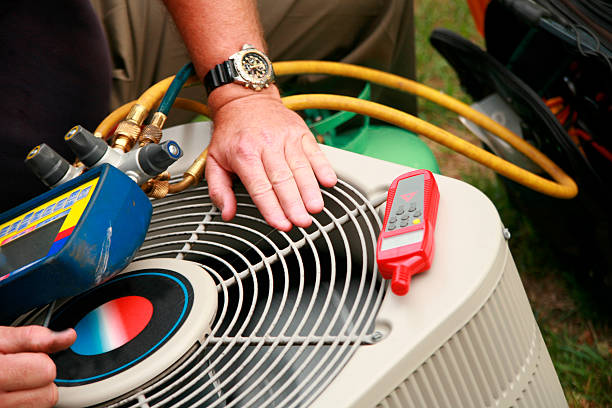
Like any other mechanical system, it requires regular maintenance and attention to function effectively. Below are some key indicators every homeowner should watch for when assessing their HVAC system.
Unusual Noises
While HVAC systems make some noise during operation, loud or unusual sounds could indicate a problem.
– Banging or clanking: Often associated with loose or broken components such as a damaged fan blade or motor issue.
– Hissing: May signal a refrigerant leak in the cooling system.
– Squealing: Typically caused by worn-out belts or motor bearings needing lubrication or replacement.
Addressing these noises promptly can prevent minor issues from escalating into significant problems that demand expensive repairs.
Weak or No Airflow
If you notice poor airflow coming from vents, your HVAC unit might not be operating efficiently.
– A clogged air filter restricting airflow.
– Problems with the blower fan motor.
– Leaky ductwork reducing pressure within the system.
A professional inspection can help identify whether cleaning, repair, or replacement is needed to restore proper airflow.
Frequent Cycling On and Off
Your HVAC unit should maintain consistent cycling patterns while heating and cooling your home.
– A malfunctioning thermostat that isn’t reading temperatures correctly.
– Overheating due to dirty coils, filters, or blocked vents.
– Improperly sized equipment—too large or too small—for your space.
Diagnosing this issue early ensures efficient operation and lengthens the lifespan of your system.
Increasing Energy Bills
When energy costs rise unexpectedly without changes in usage habits, it’s often a sign your HVAC is running inefficiently.
| Potential Cause | Description | Solution | |———————–|————————————————|———————————————-| | Dirty Filters | Forces the unit to work harder than necessary.
Monitoring monthly energy bills allows you to trace inefficiency trends before they become financial burdens.
Foul Odors Coming From Vents
An unpleasant smell emitting from your vents could be related to:
– Mold/Mildew Growth: Often caused by excessive moisture buildup within ducts.
Burning Smells: Indicates electrical issues like wiring damage.
Rotten Egg Odor: Could signal a potential gas leak requiring immediate attention.
Prompt action ensures both safety and indoor air quality remain uncompromised.
By keeping an eye out for these warning signs of HVAC failure early on, homeowners can avoid major disruptions while creating a more comfortable living environment year-round.
Expert AC Repair Miami: Fix Strange Noises Quickly
Unusual sounds such as grinding, banging, or squealing are often early indicators of mechanical problems.
- Loose or damaged components like fan belts or motor bearings
- Debris in the unit causing obstruction
- Worn-out parts requiring immediate replacement
If you hear strange noises, it’s best to contact a professional HVAC contractor for a thorough inspection.
Improving Airflow: Top Tips from an HVAC Company Miami, FL
Weak airflow can make your living space uncomfortable and may signal larger issues within your system.
- A clogged air filter, restricting airflow
- Malfunctioning blower fans
- Blockages in the ductwork due to debris or leaks
Regularly replacing air filters and scheduling routine maintenance can help improve airflow efficiency. If problems persist, it could indicate that the system is struggling to operate efficiently and may require repair or replacement.
Signs You May Need AC Replacement Miami Residents Should Know
- A thermostat malfunction causing incorrect temperature readings
- An improperly sized HVAC unit for your home’s square footage
- Dirty components like coils or filters restricting proper operation
Consulting an expert from www.miamihvac.net ensures accurate diagnosis of short cycling and prevents further damage to the system.
Increase in Energy Bills Without Explanation
| Potential Cause | How It Impacts Efficiency | Solution |
| Dirty air filters | Forces the system to work harder | Replace air filters every 1–3 months |
| Worn-out components | Reduce overall performance | Routine maintenance by professionals |
| Aging equipment | Inefficient compared to modern systems | Consider upgrading to an energy-efficient unit |
Monitoring utility bills regularly lets you spot inefficiencies early before they escalate into major concerns.
Unpleasant Odors Emitted From Vents
- Mold growth in ducts or coils due to excess moisture buildup
- Burnt smells indicating overheated wiring or electrical issues
- Debris accumulated in ductwork spreading odors throughout your home
Professional cleaning services and inspections are essential for addressing these issues effectively while ensuring safe indoor air quality.
By staying vigilant about these warning signs, homeowners can extend their HVAC system’s lifespan while avoiding unexpected costs associated with complete failures. Regular maintenance performed by trusted professionals also helps catch potential problems early on before they become expensive repairs—or worse, leave you without heating or cooling during extreme weather conditions.
However, like all mechanical systems, it can experience wear and tear over time.
While HVAC systems are not completely silent, they should not produce loud or unusual noises such as:
– Banging or clanking: This could indicate loose or broken parts within the unit.
Hissing: Often a sign of refrigerant leaks or ductwork issues.
Grinding Whistling: May point to air duct obstructions or leakage.
When airflow from your vents becomes weak or inconsistent, it may indicate:
– Clogged air filters
– Failing blower motors
– Blocked ducts
– Duct leaks reducing efficiency
Weak airflow directly impacts your home’s comfort levels and energy efficiency. This issue should never be ignored.
A sudden spike in your energy bills without increased usage often points to an inefficient HVAC system.
Tracking your monthly energy costs can help detect these early signs.
| Problem | Potential Cause | Action to Take |
| Weak Airflow | Clogged filters | Replace filters regularly |
| Unusual Noises | Loose components | Schedule professional maintenance |
| Increased Energy Bills | Inefficient operation | Inspect equipment for age/wear |
Repair costs add up quickly and may surpass the cost of a new installation if not addressed promptly.
When certain rooms in your home feel significantly cooler or warmer than others, this inconsistency could stem from:
– Improperly sized equipment for your space.
– Malfunctioning thermostats.
– Duct imbalances affecting airflow distribution.
This issue not only reduces comfort but also signifies that your system might be struggling to function effectively.
Foul odors coming from vents could signal several problems such as:
– Mold growth in ducts due to excess moisture.
– Burning smells indicating electrical issues.
Promptly addressing these smells through HVAC inspection ensures better indoor air quality while preventing further damage.
Final Thoughts on Monitoring Your System’s Health
Identifying these red flags early gives homeowners a chance to take preventive measures rather than face emergency repairs. Regular maintenance checkups by certified professionals will help extend the life of your unit while keeping it running efficiently year-round.
How Inconsistent Temperatures Can Signal HVAC System Replacement Needs
Maintaining consistent indoor temperatures is one of the primary goals of any HVAC system.
Common Causes of Inconsistent Temperatures
- Aging HVAC System
Over time, wear and tear on your equipment can cause inefficiencies. Components like the compressor, blower motor, and heat exchanger may no longer function optimally, leading to uneven heating or cooling throughout your home. - Improperly Sized Unit
An undersized unit will overwork itself trying to meet demand, while an oversized system will cycle on and off too quickly, resulting in uneven comfort. - Blocked or Leaky Ductwork
Air ducts play a vital role in distributing conditioned air evenly throughout your home. Blockages caused by dirt or debris or leaks in the ductwork can lead to weak airflow and hot or cold spots in specific areas. - Thermostat Issues
A malfunctioning thermostat could provide incorrect temperature readings, causing the system to operate inefficiently. This may lead to certain areas being overcooled or overheated while others remain uncomfortable. - Poor Home Insulation
This can create temperature inconsistencies between rooms.
Signs You May Need HVAC Replacement
- Frequent repairs are needed despite routine maintenance.
- Your energy bills have steadily increased without changes in usage.
- The unit is older than 10–15 years and nearing its expected lifespan.
- The system runs constantly but struggles to maintain comfort levels.
- Excessive noise comes from the unit during operation.
Steps To Address Temperature Inconsistencies
- Schedule an assessment with a licensed HVAC contractor for a full inspection.
- Seal any leaks in ducts using professional-grade materials.
- Insulate problem areas within your home such as attics and windows.
- Upgrade your thermostat if outdated; consider smart thermostats for better control.
- Replace aging systems with newer energy-efficient models designed for even performance.
| Problem Area | Suggested Solution |
| Aging equipment | Replace old HVAC components |
| Blocked ductwork | Clean or repair ducts |
| Poor home insulation | Add insulation where necessary |
| Thermostat malfunctions | Install a modern programmable thermostat |
Why Prompt Action Matters
Ignoring temperature inconsistencies not only affects indoor comfort but also leads to increased energy consumption and higher utility bills over time. Additionally, unresolved problems place unnecessary strain on other parts of the HVAC system, potentially shortening its lifespan further.
By addressing these concerns promptly—whether through repairs or replacement—you ensure reliable performance and long-term savings while improving overall indoor comfort levels year-round.
How Inconsistent Temperatures Can Signal HVAC System Replacement Needs
Uneven heating or cooling is often an indicator that the system is struggling to maintain uniform performance. This issue could result from a variety of mechanical problems or inefficiencies within the system. Below, we’ll explore the root causes of temperature inconsistencies and how they point to potential HVAC failure.
Common Causes of Inconsistent Temperatures
- Over time, HVAC systems lose efficiency, leading to uneven airflow and inconsistent climate control across different rooms.
- Systems older than 10-15 years often struggle to distribute air evenly as components wear out.
- An incorrectly sized HVAC unit (too small or too large for your home) will have trouble maintaining consistent temperatures.
- Undersized units may not have enough power to heat or cool all spaces adequately, while oversized units tend to short cycle.
- Cracks, holes, or blockages in the duct system can prevent conditioned air from reaching certain areas of your home.
- Uneven airflow results in some rooms being too hot while others remain cold.
- A faulty thermostat can misread temperatures or fail to communicate effectively with the HVAC unit, causing erratic performance.
- Homes with multiple zones may experience inconsistent temperatures if one zone’s damper malfunctions or if there’s no zoning system at all.
Signs That Inconsistent Temperatures Mean You Need a Replacement
If you’re experiencing temperature fluctuations in your home, it’s important not to ignore them. While repairs can sometimes resolve minor issues, persistent inconsistencies might indicate it’s time for an upgrade.
- Frequent repairs with little improvement in performance.
- Rising energy bills despite regular maintenance.
- The system operates at full capacity but fails to maintain set temperatures across all areas.
- Your HVAC unit is approaching (or has surpassed) its expected lifespan of 10–15 years.
Tips for Preventing Temperature Fluctuations
- Schedule Regular Maintenance: Periodic inspections ensure components like filters, fans, and ducts are clean and functional.
- Seal Ducts Properly: This prevents leaks that disrupt airflow distribution.
- Invest in Zoning Systems: A zoned setup allows better control over individual areas of your house.
- Upgrade Insulation: Poor insulation allows air leakage and exacerbates temperature disparities.
- Choose Professional Installation: Improper installation increases the likelihood of temperature irregularities down the line.
| Problem | Possible Cause | Solution |
| Temperature fluctuations | Aging equipment | Consider replacing outdated systems |
| Hot/cold spots | Blocked ducts | Inspect and clean ductwork regularly |
| Uneven heating/cooling | Incorrect sizing | Consult professionals for proper sizing |
Maintaining consistent indoor temperatures is essential not only for comfort but also for energy efficiency and long-term savings on repair costs. Recognizing when uneven heating or cooling signals the need for a new HVAC installation can help homeowners make informed decisions about their systems before problems escalate further.
Top Reasons Why You Should Choose a Trusted HVAC Contractor for Your Heating and Cooling Needs
When it comes to maintaining, repairing, or installing an HVAC system in your home, selecting the right contractor is critical. A trusted HVAC contractor not only ensures your system operates efficiently but also offers peace of mind knowing the work is performed correctly. Here are the top reasons why choosing a reliable and experienced HVAC contractor is essential for your heating and cooling needs.
Expertise and Professional Training
A reputable HVAC contractor possesses the training, certifications, and expertise required to handle complex heating and cooling systems.
- Diagnosing issues accurately: Experienced contractors can quickly pinpoint problems, reducing downtime.
- Recommending tailored solutions: Based on your specific system type (central air, heat pumps, furnaces), they’ll suggest repairs or upgrades that align with your home’s needs.
- Performing safe installations: Proper installation is critical to ensuring your HVAC operates efficiently and safely.
Access to Quality Equipment and Materials
Trusted contractors often have access to premium quality parts, tools, and equipment that ensure durability and performance. This can make a significant difference in long-term efficiency.
- Energy-efficient components: High-quality equipment often leads to lower energy consumption.
- Reliable warranties: Many contractors partner with manufacturers to offer extended warranties on products installed by certified professionals.
- Prolonged system lifespan: Using authentic parts reduces wear-and-tear over time.
Cost-Efficiency Through Preventative Maintenance
A reliable contractor typically offers maintenance programs designed to keep your system running efficiently year-round.
- Seasonal inspections (e. g. , before summer or winter).
- Cleaning services for ducts, coils, filters, etc.
- Early detection of issues before they become expensive repairs.
These preventative measures save money on energy bills while minimizing unexpected breakdowns.
Compliance with Safety Codes and Regulations
HVAC systems must adhere to local building codes, safety standards, and environmental regulations. An experienced contractor will ensure all work complies with these requirements by providing permits when necessary or adhering strictly to guidelines for refrigerant handling.
| Compliance Area | Why It Matters |
| Building Codes | Ensures safety and legal operation |
| Energy Standards | Reduces energy consumption costs |
| Environmental Handling | Protects against harmful refrigerants |
Reliable Service Guarantees
Another reason homeowners should prioritize hiring a trusted professional is their commitment to customer satisfaction through warranties or service guarantees. These elements provide reassurance that any lingering issues will be addressed promptly without additional costs.
Key guarantees include:
1. Warranty coverage on labor or replacement parts.
2. Emergency response services for urgent repairs.
3. Satisfaction policies ensuring quality workmanship.
Choosing a trusted HVAC contractor ensures you receive professional service backed by expertise, quality assurance, preventative care options, compliance adherence, and reliable guarantees—all of which contribute to better system performance while protecting your investment long-term.
Identifying and addressing these smells early can help prevent costly repairs, improve indoor air quality, and maintain the efficiency of your system.
Common Causes of Odors in HVAC Systems
- Excess moisture in ducts or the evaporator coils can lead to fungal growth. This often results in a musty or damp smell.
- Mold spores circulating through the air can pose serious health risks, especially for individuals with allergies or asthma.
- A burning odor may indicate electrical components overheating, such as wiring or motor parts.
- This could be a sign of malfunctioning equipment that requires immediate inspection to avoid safety hazards like electrical fires.
- If you notice this odor, turn off your gas supply immediately and contact your utility provider or an HVAC professional for an urgent inspection.
- Neglected air filters can trap debris and accumulate bacteria over time, emitting stale or dusty odors when the system operates.
- Frequently replacing filters is essential to prevent this issue.
Why You Shouldn’t Ignore Foul Odors
- Decline in Indoor Air Quality: Persistent smells usually suggest pollutants like mold spores or dust particles are being circulated throughout your home, which can impact respiratory health over time.
- Increased Energy Costs: If dirt buildup is contributing to the odor, it could also be making your system work harder than necessary, reducing operational efficiency.
- Costly Repairs Down the Line: Failing to address minor issues early—such as odors caused by mold growth—can lead to more significant damage that is expensive to fix later on.
How Homeowners Can Address Odors
- Inspect and Clean Ductwork: Dirty ducts may harbor mold, mildew, or pests that contribute to unpleasant odors.
- Replace Air Filters Regularly: Replace filters every one to three months (or as specified by the manufacturer) to ensure optimal airflow and limit debris buildup.
- Schedule Routine Maintenance: Professional inspections at least once a year help identify potential issues before they escalate.
- Check for Drain Line Clogs: Ensure condensate drain lines are free of blockages that could cause stagnant water buildup.
- Install UV Lights: Ultraviolet light systems in ductwork kill bacteria and fungi that produce bad smells.
| Common Smell | Possible Cause | Recommended Action |
| Musty/Damp | Mold/Mildew Growth | Inspect ducts; clean evaporator coils |
| Burning | Overheating Electrical Components | Call an HVAC professional |
| Rotten Egg/Sulfur | Gas Leak | Turn off gas; contact utility provider |
| Dusty/Stale | Dirty Air Filters | Replace filters regularly |
When to Call a Professional
While homeowners can address some minor causes of foul odors on their own (like changing filters), certain situations demand professional expertise:
– Persistent smells despite basic maintenance efforts
– Any indication of gas leaks
– Electrical burning odors
A trusted HVAC contractor will diagnose the problem accurately and provide long-term solutions, ensuring both safety and comfort for you and your family. Prioritizing timely action not only eliminates bad smells but also extends the lifespan of your entire HVAC system while safeguarding indoor air quality.
- Key Indicators Every Homeowner Should Know for Air Conditioning Repair Miami
- Top Signs You Need Air Conditioning Repair Miami Experts
- The Importance of Timely Air Conditioning Repair Miami for Your Home’s Comfort and Efficiency
- Identifying the Most Common Miami HVAC Problems and Their Solutions
- Essential Tips for Air Conditioning Repair Miami: Recognizing When Your HVAC System Needs Replacement in 2025
- Enhance Comfort and Efficiency with a High Efficiency Miami HVAC System
- Finding the Best Miami HVAC Contractor to Meet Your Specific Needs